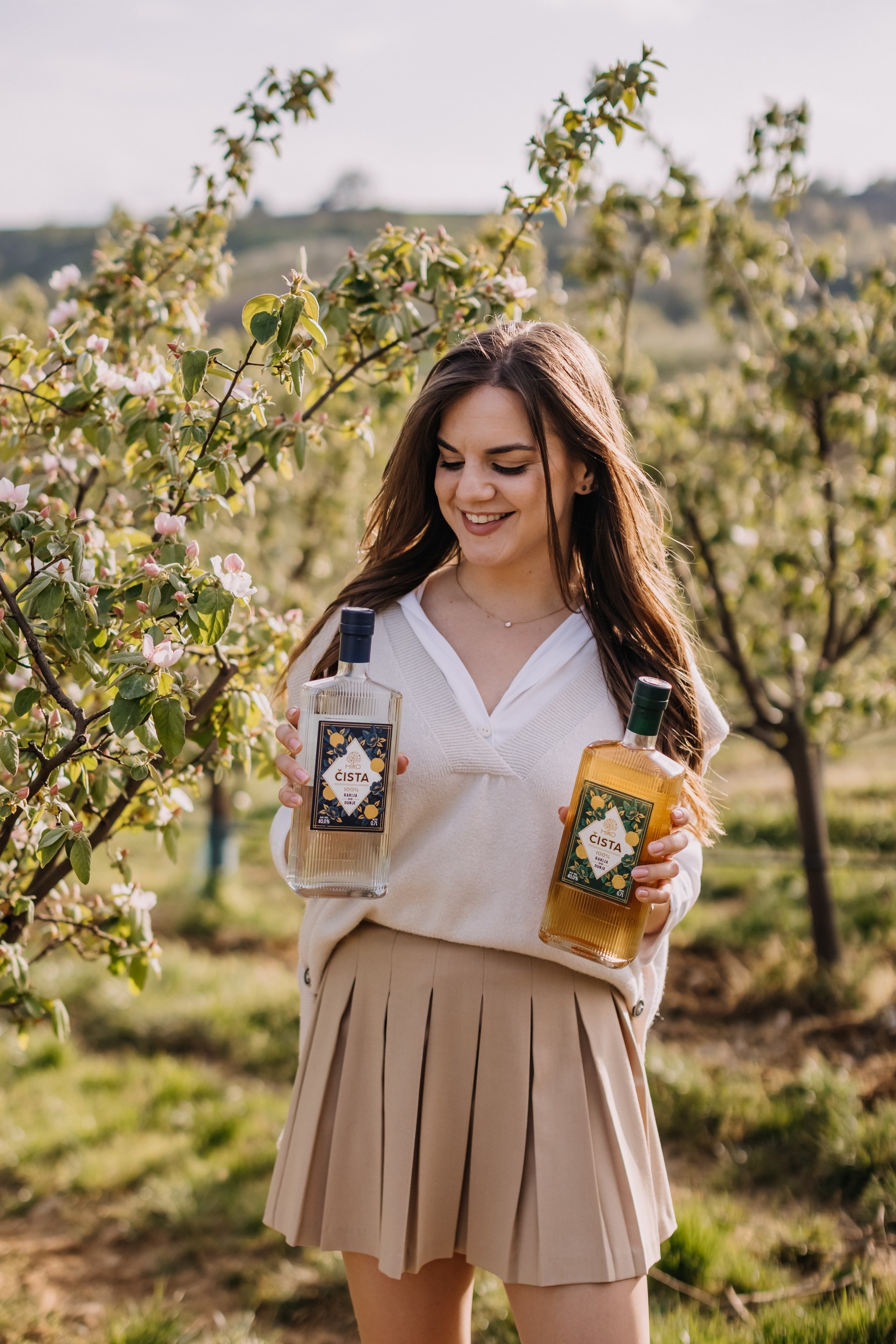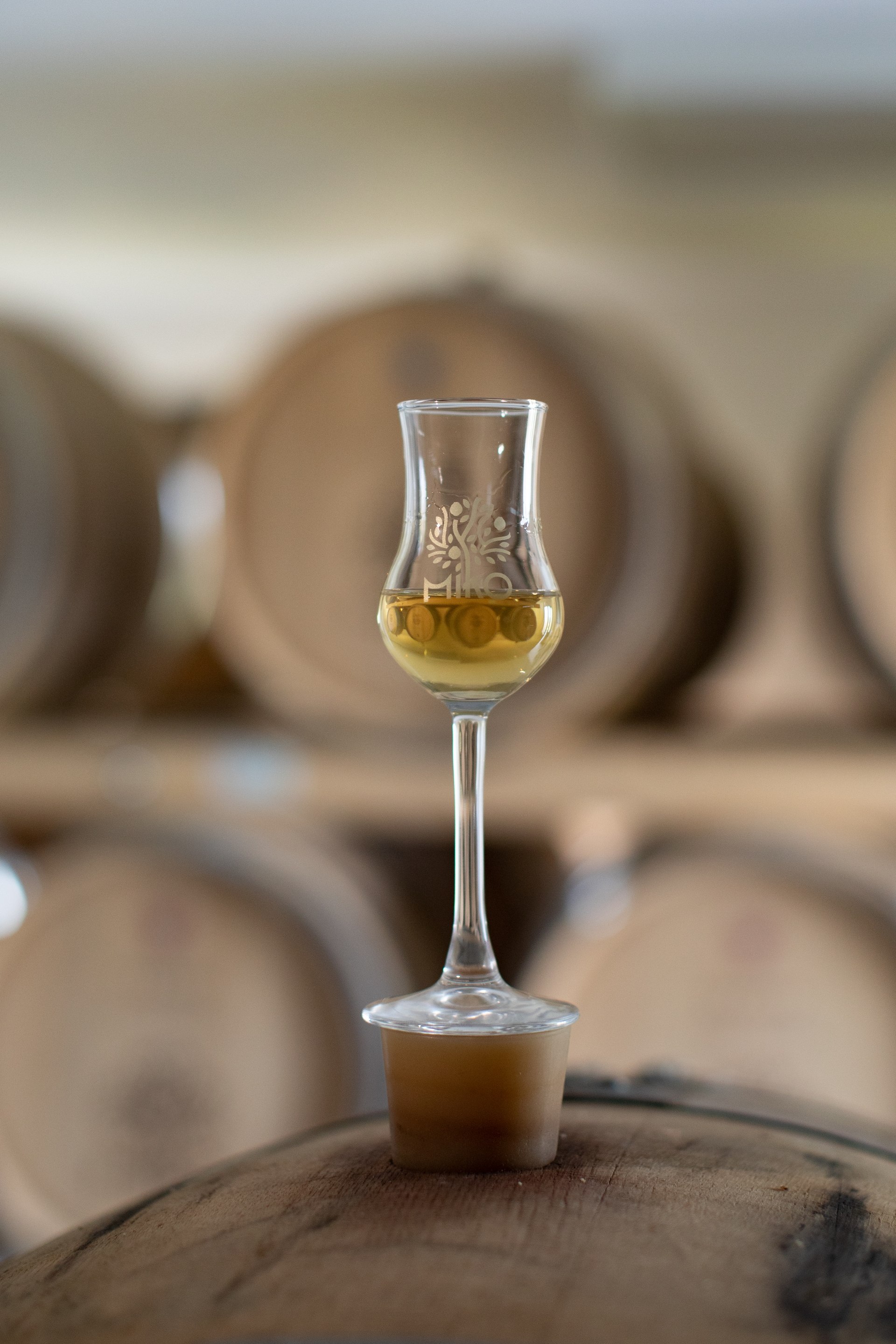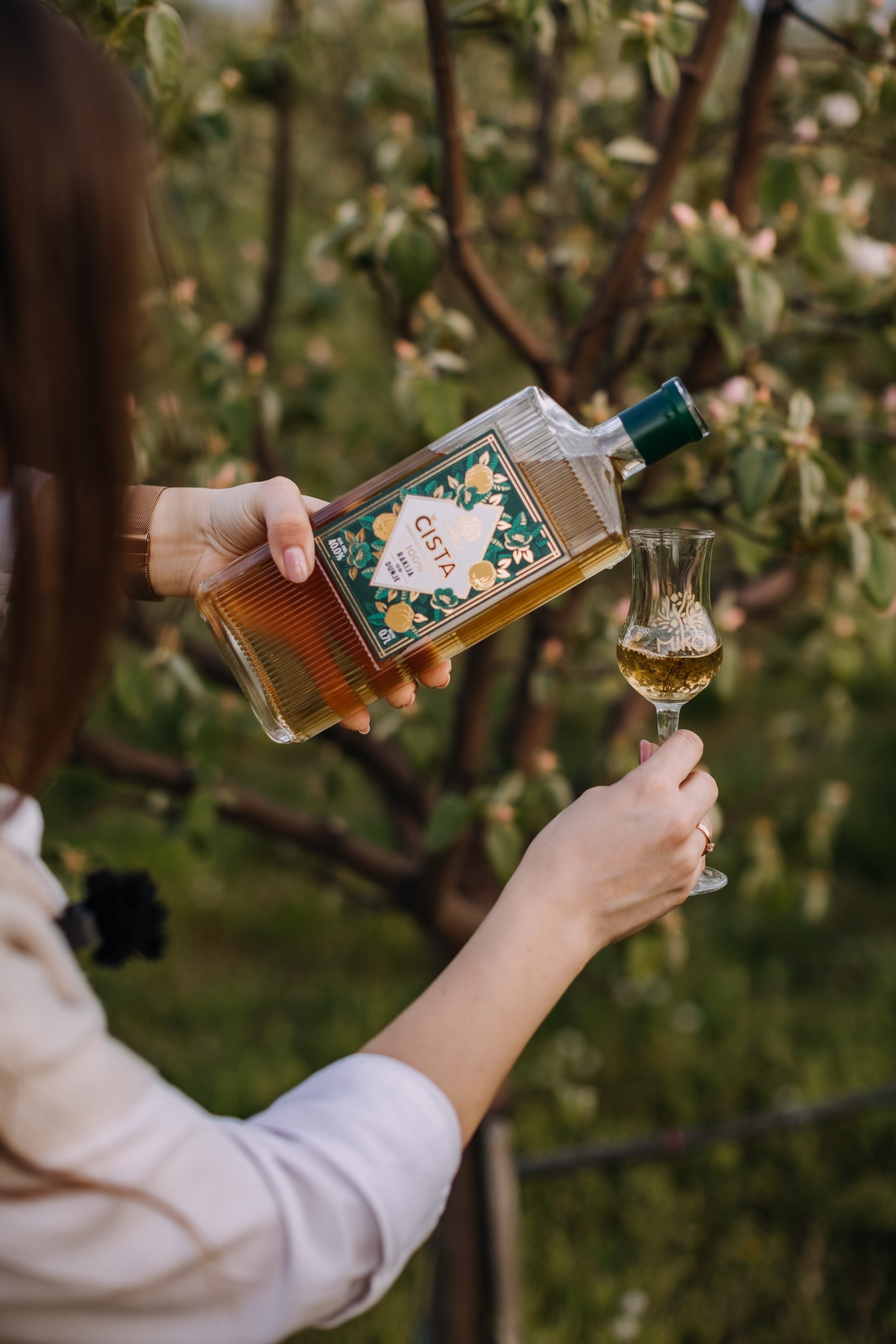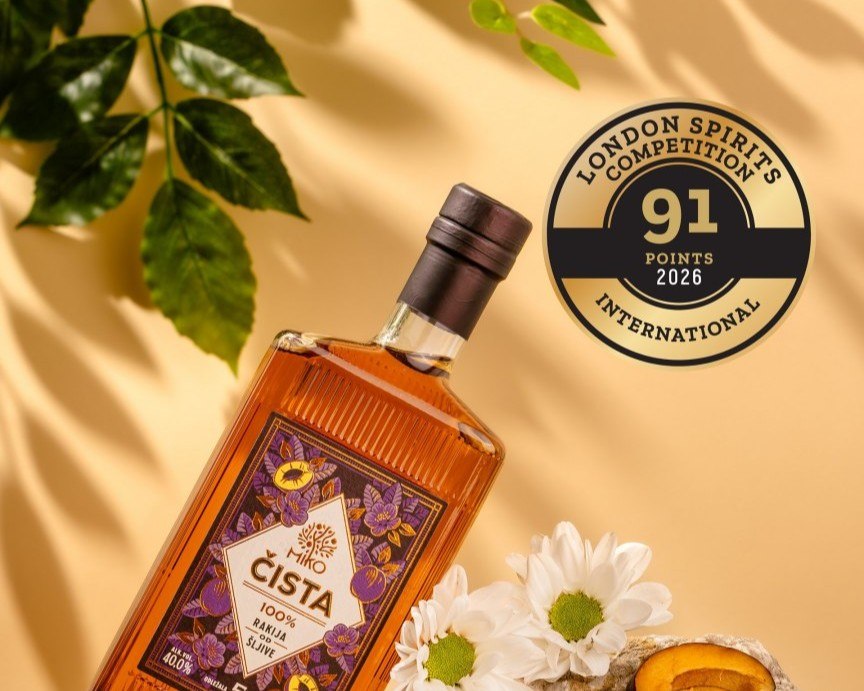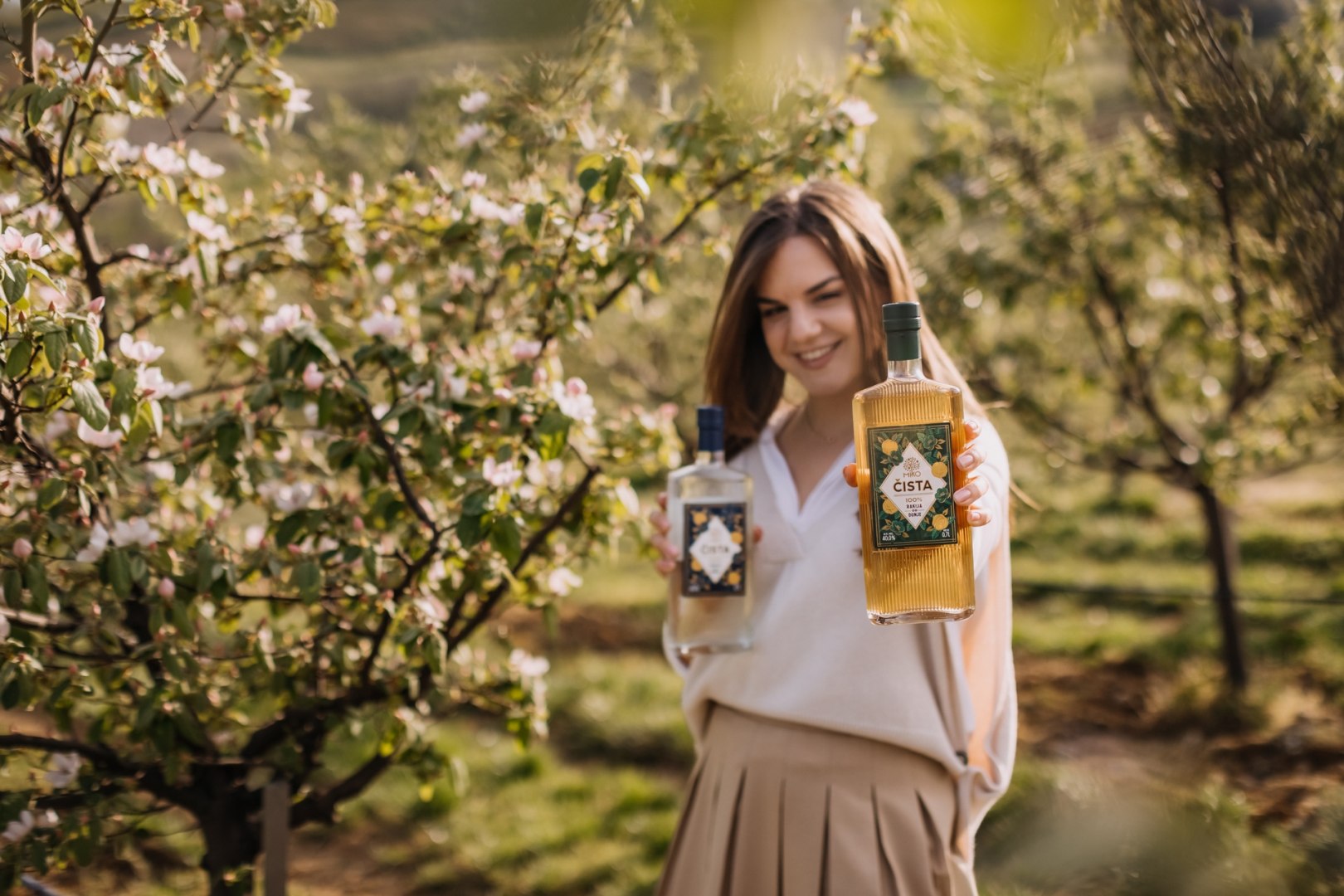
When brandy is mentioned, most people in the Balkans first think of plum brandy — and for good reason. Plum brandy has long been part of our tradition. Yet although quince brandy is far less common than plum brandy, it is anything but a marginal category, and its distinctive aroma and taste give it room to stand apart.
What Exactly Is Quince Brandy
Quince brandy is a fruit distillate obtained by fermenting and distilling quince juice and pulp — fruit that belongs to the rose family and, in character, sits somewhere between pear and apple. Unlike some other fruit brandies, quince should generally be used on its own rather than combined with other fruit. Its aroma is so pronounced and recognizable that it comes through best when it stands alone.
Quality quince brandy is made without added sugar, artificial aromas or any flavor enhancers — everything in the glass should come exclusively from the fruit.
Why Quince Is More Challenging to Grow
Although quince brandy holds a solid place in the market, the fruit itself is more demanding to grow than plums, and therefore more expensive. The quince tree is sensitive in its early years and requires very specific climatic conditions to produce quality fruit — which is why it is not grown on the same scale as plums, apples or grapevines.
Where conditions allow quince to reach full technological ripeness on the tree, the fruit develops a higher content of natural sugars and an intense, floral aroma — exactly what is needed for outstanding brandy. The Aleksandrovac Župa region is one of the few areas in the region where these conditions occur naturally, which is why MIKO now has the Balkans' largest quince orchard, with more than 21,000 trees dedicated exclusively to this fruit.
Quince Brandy Compared with Plum Brandy and Grape Brandy
Although all three belong to the same category of fruit brandies, the differences in taste are significant:
- Plum brandy has a more pronounced, firmer structure and is traditionally associated with everyday occasions and celebrations.
- Grape brandy is milder and drier, with grape notes that depend on the variety of grape used.
- Quince brandy is characterized by a floral, honeyed aroma with notes of jasmine and pear, a softer texture and a subtle sweet note in the background, even when produced without added sugar.
Because of its softness and aroma, quince brandy is often described as “more elegant” or “more refined” than plum brandy — making it especially suitable for occasions when something beyond the usual choice is wanted, even though it still lags significantly behind plum brandy in popularity.
How to Recognize Quality Quince Brandy
Several signs can help identify natural, quality quince brandy:
- The aroma should be pronounced and floral, with notes of honey and fruit — not perfumed or artificial.
- The ingredients should be exclusively quince distillate and water.
- The origin of the fruit matters — the variety and growing conditions directly affect the quality and character of the brandy.
Conclusion
Quince brandy has long found its place in Serbia's brandy market, but it deserves much more space on local tables than it currently receives. With the right growing conditions and careful processing, this brandy can surprise even those who think they have tasted “everything” the Balkans' fruit brandies have to offer.
Learn more about the fruit that defines us and explore the MIKO brandy range.