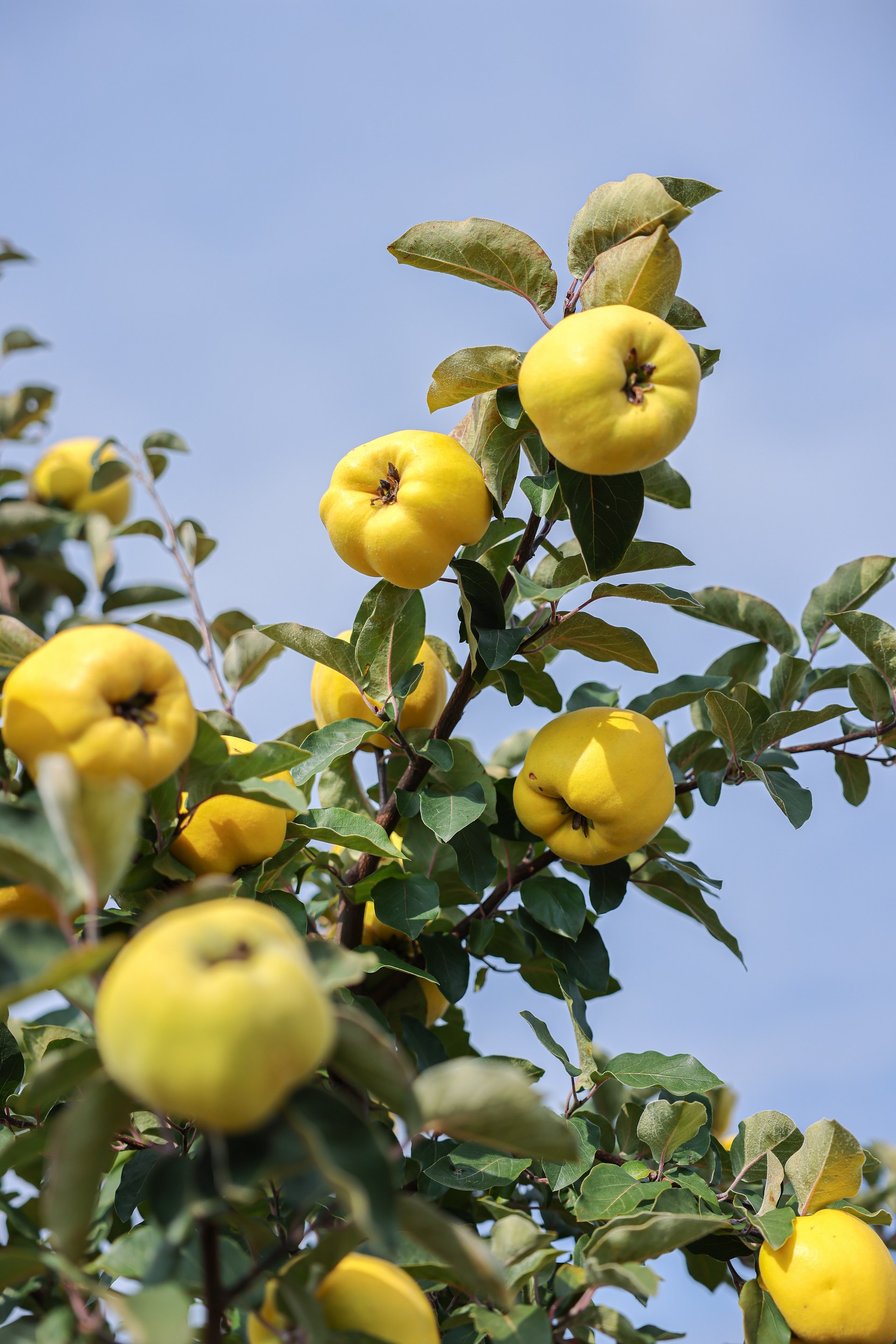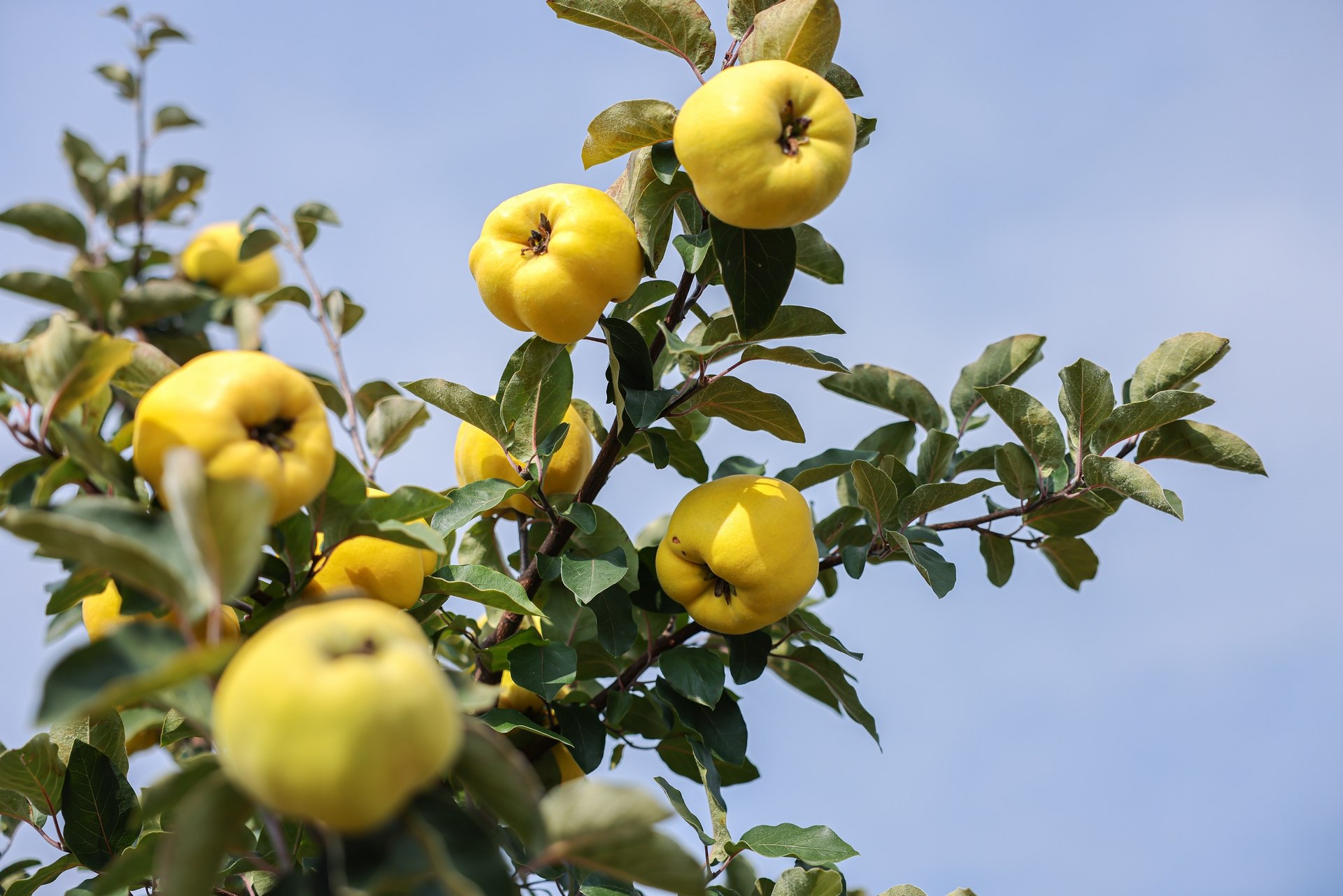
Few fruits in our region carry as much symbolism as quince. Golden-yellow and intensely fragrant, far less popular than apples, pears or plums, quince has nevertheless been anything but an ordinary fruit throughout history.
A Fruit Devoted to Love
Quince originates from the Caucasus, Iran and Mesopotamia, where it was valued more than a thousand years ago for its intense aroma. In ancient cultures it was devoted to the goddesses of love and beauty, Aphrodite and Venus, which gave it the status of a symbol of fertility and health. In various forms, this belief survived for centuries and reached our region.
In the Balkans, quince has long been associated with love, marriage and family happiness. In folk stories and songs, quince is often mentioned as a gift to a young bride or as a symbol of longing and beauty — a motif so powerful that it has survived in oral tradition and folk singing to this day. Its appearance, color and aroma have long been associated with something valuable, rare and special — qualities not attributed to every fruit.
The Golden Fruit between Pear and Apple
Quince belongs to the rose family, and with its unique character occupies a special place between pear and apple — neither one nor the other, but something entirely its own. It is rarely eaten raw, but precisely that quality, or the need for processing, cooking or distillation in order to reveal its full aroma, made it even more mysterious. Its floral and intense aroma, with warm notes of honey interwoven with delicate traces of jasmine and pear, is difficult to forget once experienced.
Yet despite its rich symbolic heritage, quince became a rare fruit in orchards over the centuries. The quince tree is sensitive and prone to disease in its early years of development and requires very specific climatic conditions, which significantly reduced its presence in plantings around the world compared with hardier, easier-to-grow fruit varieties.
Why Quince Is at the Heart of the MIKO Story
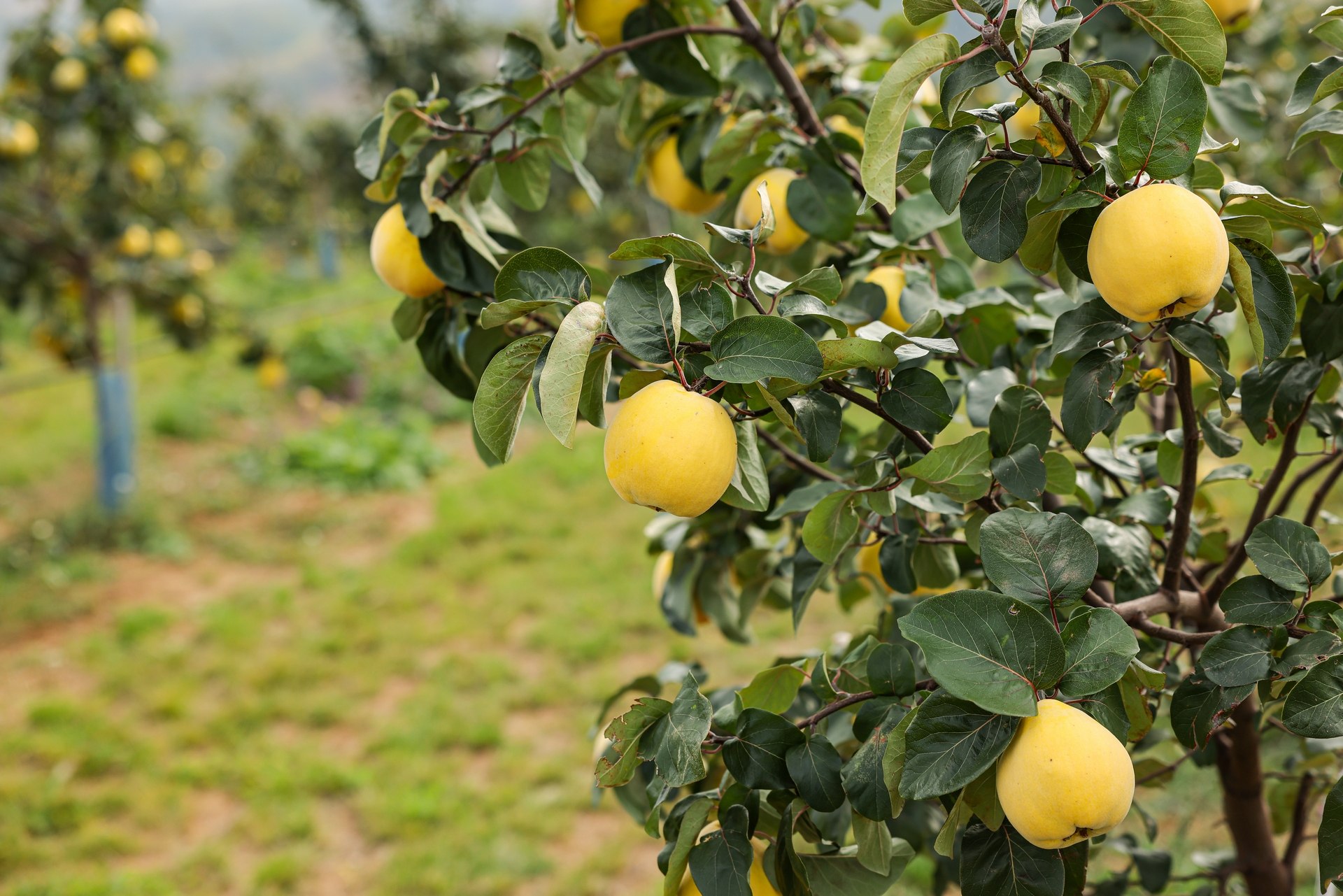
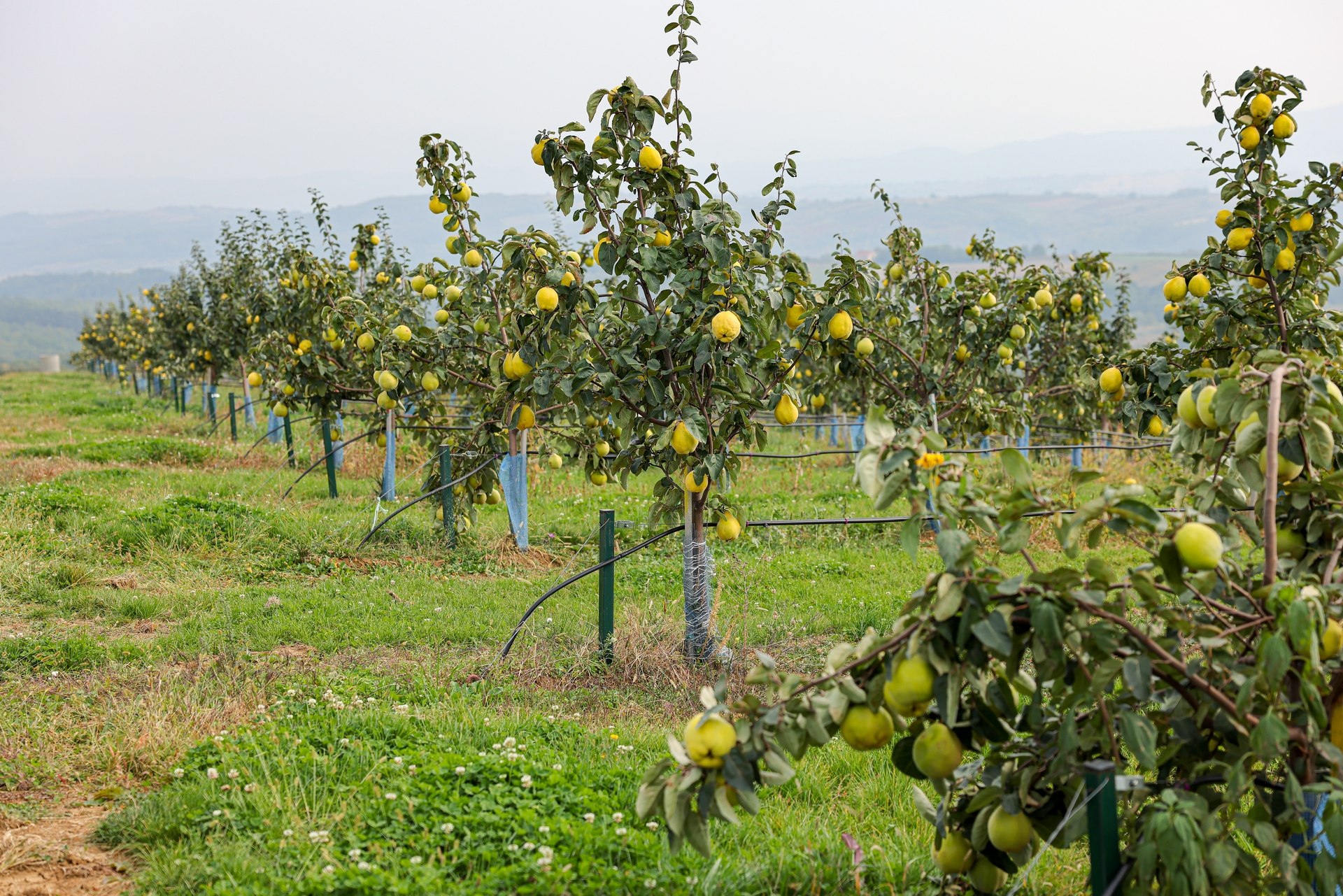
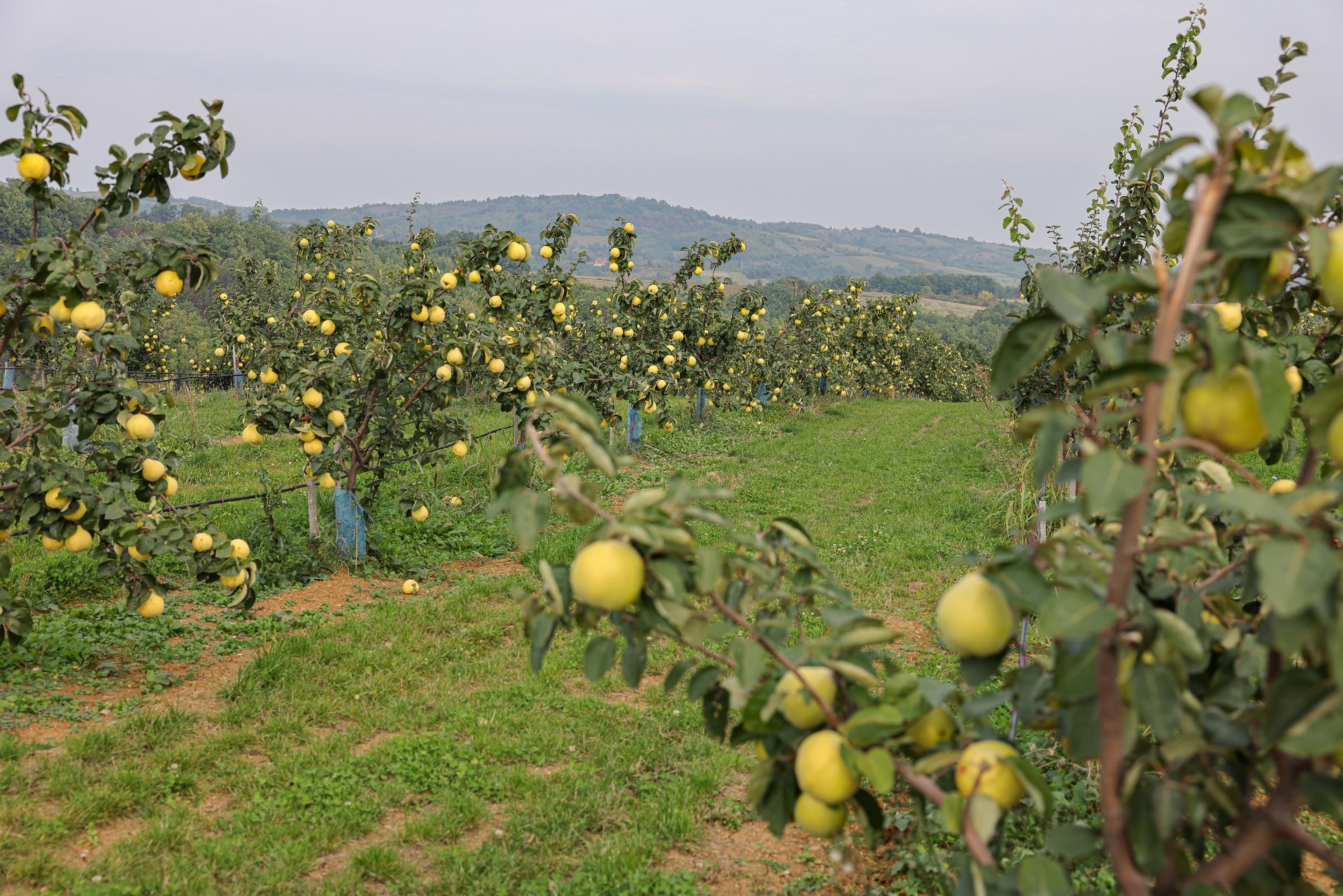
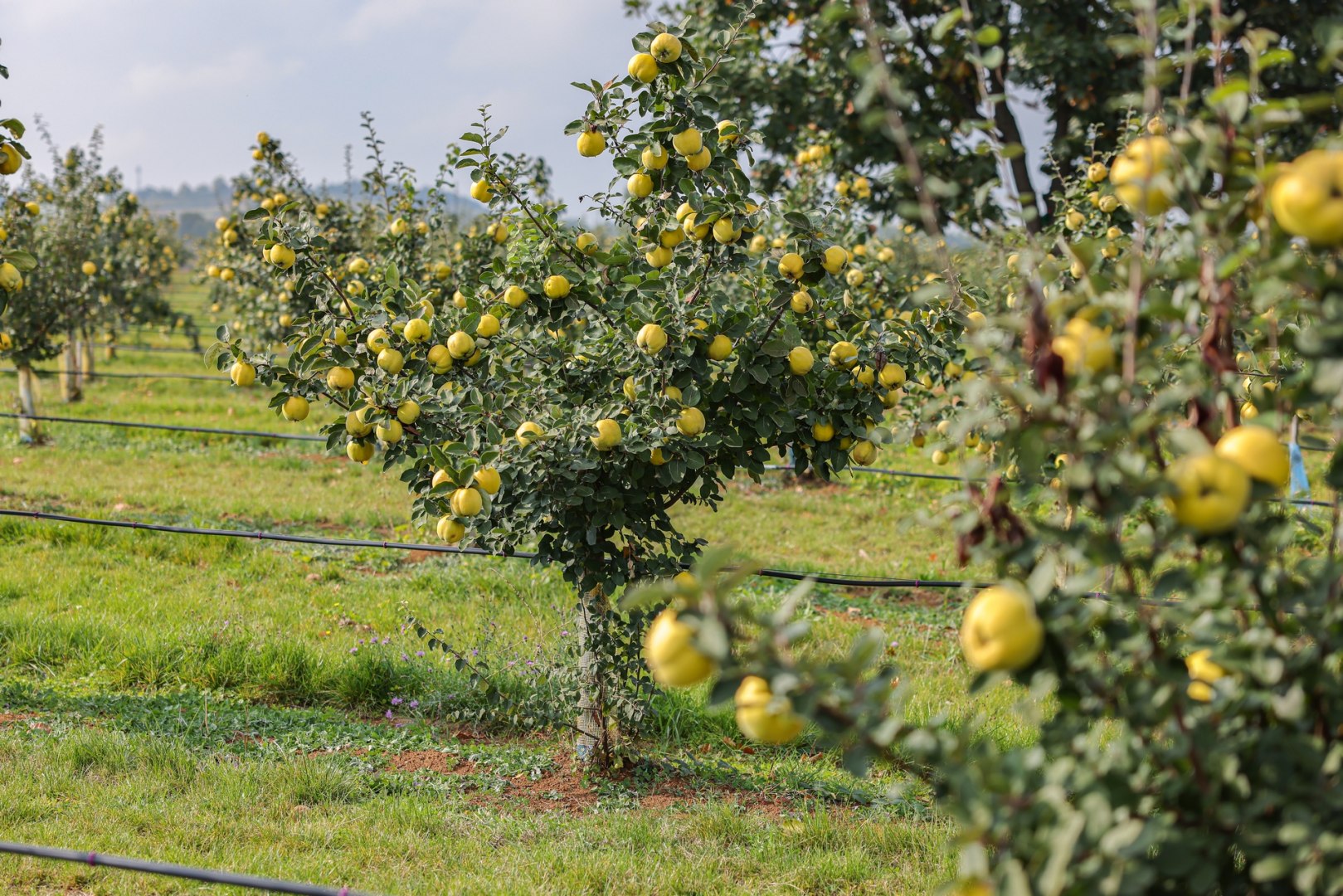
Those specific climatic conditions that quince requires are present in the Aleksandrovac Župa region, which is one of the reasons MIKO decided to plant quince across 33 hectares of land. With 21,136 trees, MIKO is now home to the Balkans' largest quince orchard. It is also a unique place where the distillery is located at the very heart of the orchard — not by chance, but as a natural consequence of the decision to use quince to its full potential.
For us, quince is not merely a raw material. It is a fruit carrying a centuries-old story of love, fertility and beauty — a story we believe it is time to tell anew, this time through the glass. We believe quince deserves a renaissance, and that its place is not in oblivion but in the spotlight — both in the orchard and in the bottle.
From Symbol to Brandy
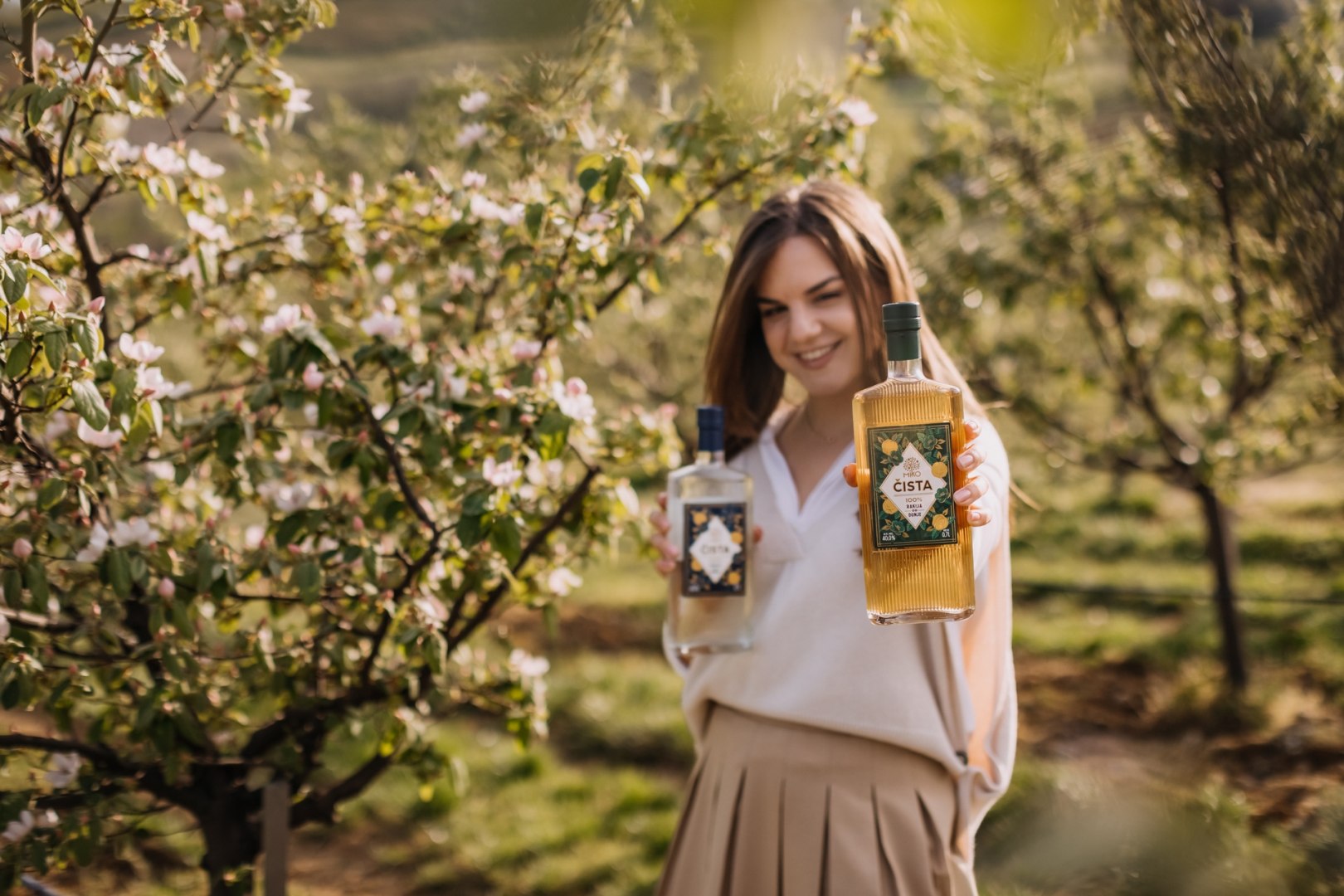
Quince defines us; the distillery represents us. Quince brandy is the first step in that story, but the MIKO mission goes further, with the aim of revealing quince's full potential through a broader product range. Quince brandy, as an authentic fruit distillate, continues a tradition stretching back thousands of years in its own way — from the ancient goddesses of love, through Balkan tales of the golden fruit and fruit displayed on the wardrobe, to the glass now standing on your table.
Learn more about the fruit that defines us and about production at the MIKO Estate, or explore the MIKO brandy range.